All Categories
Featured
Value of Indexed Universal Life for Retirement
As you compare Medicare Supplement insurance coverage plans, think about how much treatment you require, how frequently you go to the doctor and how much you can manage to pay toward your medical costs yourself. Each Medigap strategy has a different level of protection, so you must discover one that fits your specific needs.
With Initial Medicare (Parts A and B), you're accountable for paying approximately 20% of your healthcare facility expenses. Medigap prepares spend for some or all of your staying expenses, depending on your plan letter. The very best Medicare Supplement plan for you depends on your health and budget plan. Top plans Part A coinsurance Yes Yes Yes Part B coinsurance Yes Yes Yes Blood transfer (3 pints) Yes Yes Yes Part A hospice care Yes Yes Yes Competent nursing facility Yes Yes Yes Part A deductible Yes Yes Yes Part B deductible Yes Part B excess charges Yes Yes Yes = 100% Other strategies Part A coinsurance Yes Yes Yes Yes Yes Yes Yes Part B coinsurance Yes Yes Yes Yes 50%75% Yes Blood (3 pints) Yes Yes Yes Yes 50%75% Yes Part A hospice care Yes Yes Yes Yes 50%75% Yes Knowledgeable nursing facility Yes Yes 50%75% Yes Part A deductible Yes Yes Yes 50%75%50%Part B deductible Yes Part B excess chargesForeign travel emergency80%80%80% Yes = 100% This can offer you comfort due to the fact that you will not be surprised by high medical costs.
Strategies F and C have much better protection than Plan G, but you can't get them if you're a new enrollee. If you purchase a strategy with low protection when you're 65 and later choose to upgrade to something better, such as Plan G, companies may estimate you a high rate or reject you coverage totally.
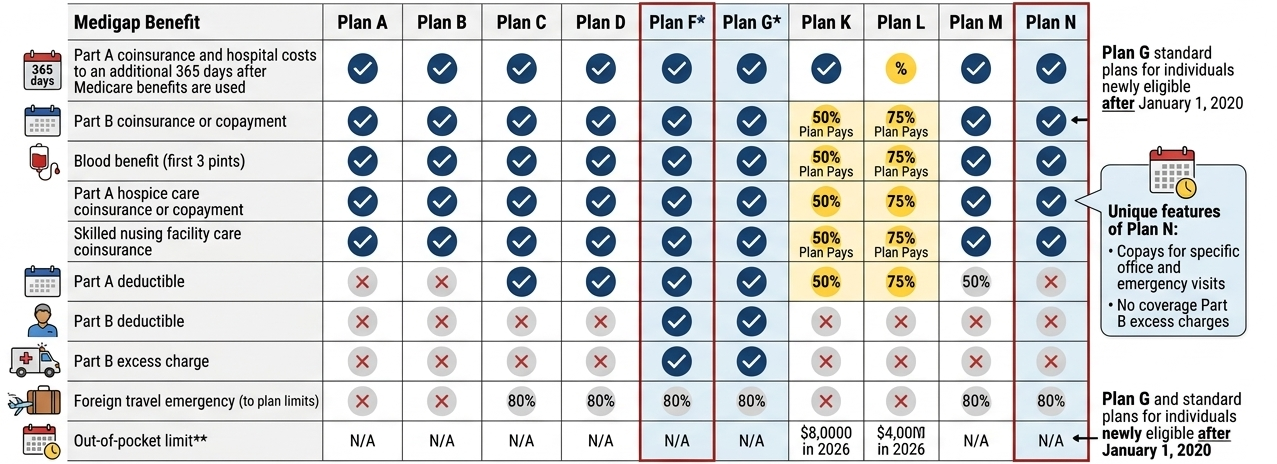
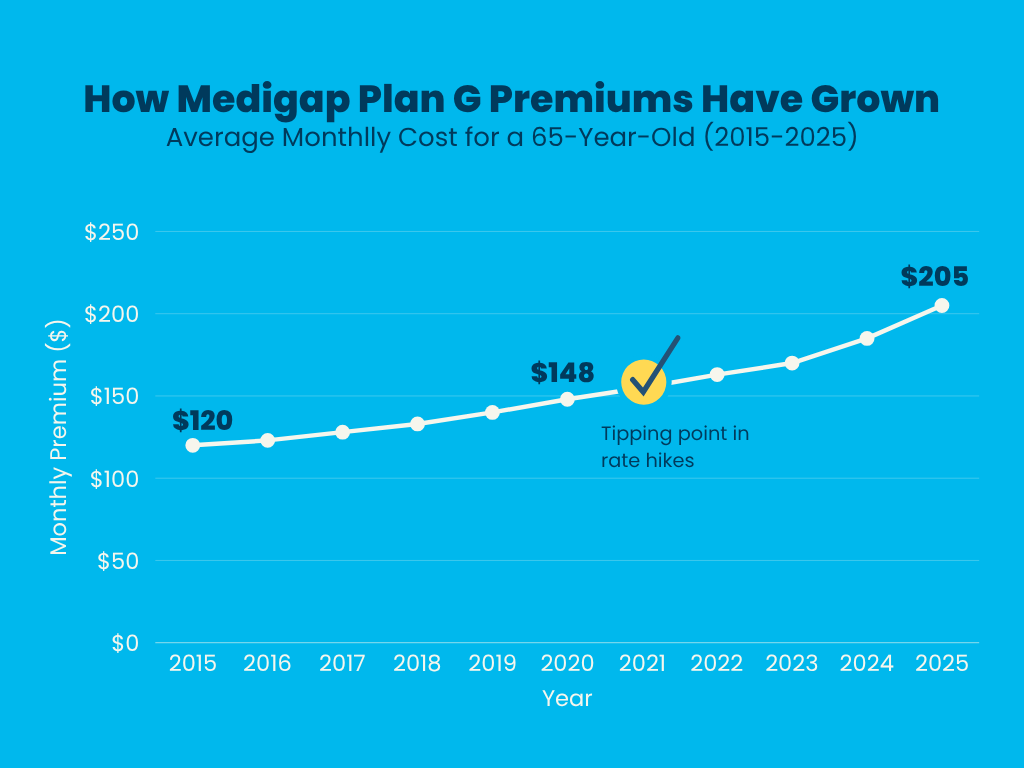
Plan G has the very best coverage for a lot of seniors and others on Medicare. After you pay this, Strategy G will spend for treatment such as physician sees, blood tests or outpatient medical treatment. Advantages and disadvantages of Plan G Popular strategy that covers nearly all of your health costs Often a much better value than Strategy F Rates can be expensive, at $180 each month, usually Cheaper strategies may be a better offer if you seldom go to the physician Plan F has the very best coverage of any Medigap plan overall.
Advantages and disadvantages of Strategy F Spends for almost all medical costs High month-to-month rates Not readily available to new Medicare enrollees Plan N has similar protection to Plan G however costs less. With Plan N, you need to pay $20 for physician check outs and $50 for journeys to the emergency situation room.
Explaining How Whole Life Insurance Protects Your Future
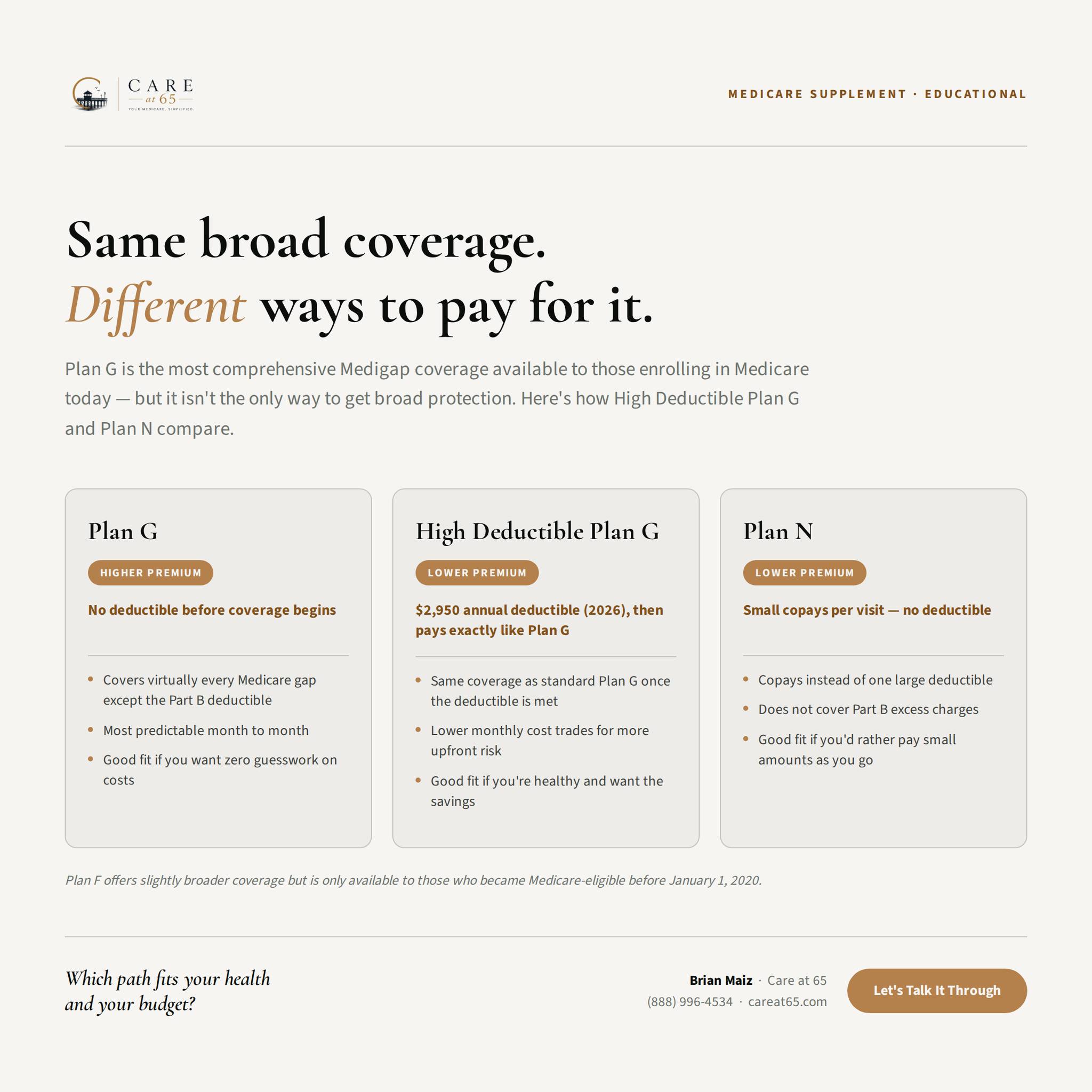
Advantages and disadvantages of Plan N Yes Covers nearly all of the expenses you are accountable for with Medicare Yes Strategy N costs about $137 monthly, which is $43 monthly less than Strategy G Bonus costs you are accountable for paying when you go to the medical professional could counteract cost savings You may have extra fees if your medical professional doesn't accept the prices set by Medicare High-deductible Strategy G has the least expensive regular monthly rate of any Medigap policy.
Remember, business can charge higher rates or reject coverage since of your health history if you change Medicare Supplement plans outside the six months around your 65th birthday. That means you may be stuck with a high-deductible Plan G when you're older and in even worse health, costing you more in the long run.
This implies that Medicare Supplement Plan G from AARP/UnitedHealthcare provides you the exact same coverage as Plan G from Aetna, Blue Cross or any other company.

Latest Posts

Whole Life Insurance for US Veterans Options
How Whole Life Insurance Functions for Family Security

Burial Policy Strategies for Families